Choosing a Pet-Friendly Fence for Your Whitefish Bay, WI Home
Learn how fence height, picket spacing, gate security, and durable materials can help create a safer outdoor space for your dogs and other pets.
For many pet owners, a backyard is more than an extension of the home. It is a place where dogs can explore, play, get exercise, and enjoy time outdoors without needing constant supervision on a leash. However, making that space secure requires more than putting up a fence around the property.
A fence that works well for a calm, older dog may not be suitable for a curious puppy or an energetic dog that likes to jump. Small pets can squeeze through openings that seem harmless, while determined diggers may find their way beneath an otherwise sturdy boundary.
For homeowners in Whitefish Bay, WI, choosing the right fence means considering your pet's behavior, your yard's layout, and how well the materials will handle Wisconsin's changing weather. With the right design, you can create an outdoor space that works for your household without sacrificing the appearance of your property.
Start With Your Pet's Behavior, Not Just Its Size
Before comparing fence materials, think about how your pet behaves outside. Size is important, but it does not tell the whole story.
A small dog may be perfectly comfortable behind a decorative picket fence if the openings are narrow enough. Another small dog might be an enthusiastic digger that needs additional protection along the bottom. A large dog may stay close to the house, while a smaller athletic breed may jump surprisingly high.
Consider a few questions before choosing a fence:
- Does your dog jump when excited by people, other animals, or passing vehicles?
- Does your pet dig near the edges of the yard?
- Could a small dog or puppy squeeze through the openings?
- Does your dog bark or become agitated when it sees activity outside?
- Will the fence need to accommodate more than one pet?
These details can help you narrow down the right height, style, and level of enclosure. They can also prevent you from spending money on a fence that looks attractive but does not address your pet's main escape risks.
How Tall Should a Pet Fence Be?
Fence height should reflect your dog's jumping ability, athleticism, and tendency to climb rather than relying on a single standard for every household.
A lower fence may be adequate for some calm, small dogs, particularly when the primary goal is defining a yard boundary. More energetic pets may need a taller barrier, especially if they regularly jump at distractions or try to follow animals outside the property.
For a dog that has already jumped over a fence, installing another fence of the same height may not solve the problem. You may need a taller design, a less climbable surface, or changes to the area near the fence that encourage jumping.
Also, check local requirements before settling on a height. Fence regulations can vary according to the property's location, placement, and intended use.
Remember that height alone does not guarantee containment. A tall fence can still be ineffective if the gate is unsecured, the bottom has large openings, or nearby objects give a dog a way to climb over it.
Why Picket Spacing Matters for Small Dogs
The spaces between fence pickets deserve as much attention as the overall height. A fence may appear secure from a distance but still leave enough room for a small dog to slip through.
This is particularly important for puppies and smaller breeds whose bodies can fit through surprisingly narrow openings. When comparing decorative metal or traditional picket fencing, examine the actual spacing rather than assuming all panels are alike.
Some ornamental metal systems offer designs with closer spacing near the bottom. These configurations can be useful for households with small dogs while maintaining an open appearance.
For a pet that can squeeze through narrow gaps, a solid privacy fence may be more appropriate. It removes the spaces between pickets, although the gate, bottom edge, and any uneven ground still need attention.
A useful way to evaluate a fence is to look at it from your pet's perspective. Check the entire perimeter, including corners, changes in elevation, and the spaces around gates. Even one poorly planned section can become an escape route.
Which Fence Materials Work Well for Pet Owners?
Different materials offer different advantages. The right choice depends on your budget, preferred appearance, maintenance expectations, and the behavior of your pet.
Vinyl Fencing for Privacy and Easy Cleaning
Vinyl fencing is a practical option for homeowners who want an enclosed backyard with fewer routine maintenance requirements. Solid panels provide visual separation from nearby yards and sidewalks, which may help reduce some dogs' reactions to people or animals passing by.
The smooth surface also offers fewer footholds than some fence designs. However, no material is completely escape-proof, and vinyl can crack if subjected to a strong impact, particularly in cold conditions.
Choose a suitable product and have it installed according to the manufacturer's requirements. Inspect panels, rails, and posts periodically, especially after severe weather.
Wood Fencing for a Solid, Traditional Barrier
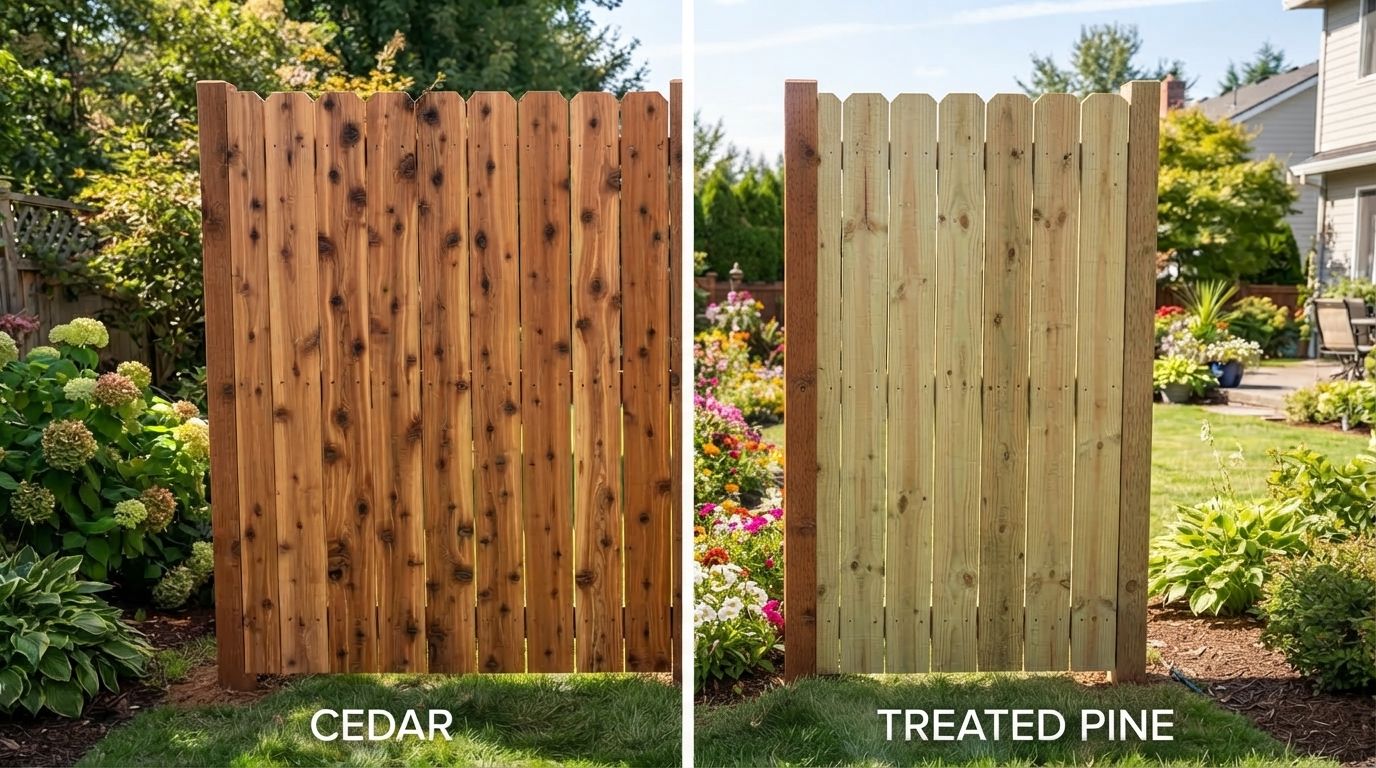
Wood fencing provides flexibility in height, board arrangement, and overall design. Closely fitted boards can create a private enclosure, while other styles offer a more open appearance.
For pet owners, a solid wood fence can be helpful when visual distractions cause a dog to bark, lunge, or repeatedly run along the boundary. The design should avoid loose boards, exposed fasteners, and horizontal elements that could serve as climbing footholds.
Wood does require ongoing attention. Rain, snow, moisture, and sunlight can affect its condition, so inspect for loose boards, splintering, and deterioration as the fence ages.
Aluminum Fencing for an Open, Decorative Look
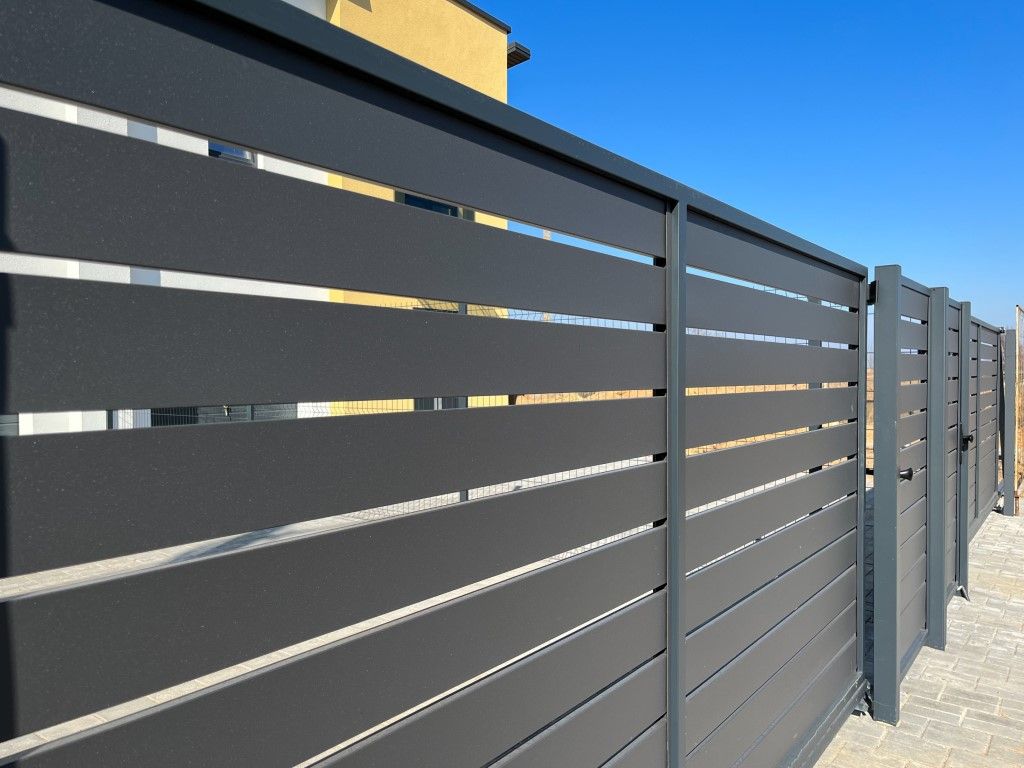
Aluminum fencing can suit homeowners who want to keep their yard visually open while establishing a clear boundary. It is commonly used around landscaped yards and other spaces where visibility matters.
For pet owners, the key consideration is the space between pickets. Standard ornamental designs may leave openings that are too wide for small dogs. Look for compatible configurations with narrower spacing when needed.
Aluminum generally requires less maintenance than wood, although gates, fasteners, and protective finishes still deserve periodic inspection.
Chain-Link Fencing for Functional Enclosures
Chain-link fencing is another option for pet containment. It allows airflow and visibility, and it can be useful for enclosing larger areas or creating a dedicated dog run.
However, some dogs can climb chain-link mesh because it provides footholds. If your pet has a history of climbing, consider a different design or discuss appropriate ways to reduce that risk.
Pay attention to mesh openings, the fence's bottom edge, and the security of the gate. The right specifications depend on the size and behavior of your pet.
How to Keep Dogs From Digging Under a Fence
A fence can be tall enough and strong enough to resist jumping, yet still fail because of a gap along the bottom. Dogs that dig may gradually create an opening beneath the fence, especially in loose soil or areas where the ground becomes soft after rain.
Start by examining the perimeter for existing gaps. Pay particular attention to corners, low spots, and sections where the yard slopes away from the fence.
Depending on the property, possible solutions include a properly designed buried mesh barrier, an appropriate ground-level reinforcement, or adjustments to the fence layout. Any added material should be securely installed and free of sharp edges that could injure your pet.
Drainage also matters. Heavy rain and snowmelt can wash soil away from the bottom of a fence, creating openings that were not there when the fence was installed.
If digging is a recurring problem, consider combining a suitable physical barrier with training and supervised outdoor time. A fence can reduce escape opportunities, but the design should account for your dog's established habits rather than assuming the behavior will disappear.
Don't Overlook Gates and Latches
The gate is often the busiest part of a pet fence. Family members carry groceries through it, children use it to access the yard, and visitors may not realize how quickly a dog can slip outside.
A secure gate should fit properly, swing without dragging, and close reliably. The latch should be easy for household members to operate but difficult for a pet to nudge open.
Depending on your needs, self-closing hinges or a more secure latch may provide additional protection. Households with particularly determined escape artists may also benefit from a double-gate entry area, where one gate can remain closed while the other is opened.
Make gate checks part of your routine. Look for loose hinges, shifting posts, damaged hardware, and gaps that develop as the ground changes.
Preparing Your Pet Fence for Wisconsin Weather
Whitefish Bay homeowners need to consider how seasonal weather can affect the fence and the ground supporting it.
Winter freezing and thawing may contribute to movement around posts, while spring rain and melting snow can expose drainage problems. Summer sunlight and humidity can affect certain materials and finishes.
To keep your fence in good condition:
- Inspect posts and connections after winter.
- Remove leaves and debris that collect along the bottom.
- Check for soil erosion or new gaps after heavy rain.
- Look for cracks in vinyl panels and splintering or loose boards in wood fences.
- Test gates and latches regularly.
- Address structural damage before it creates a larger opening.
A fence designed for your pet's needs still requires maintenance. Regular checks help ensure that the original safety features continue to work as intended.
Plan a Fence That Suits Your Pet and Property
Choosing a pet-friendly fence is about balancing containment, durability, appearance, and everyday convenience. A small dog may need narrow picket spacing, a jumper may require additional height, and a dog that reacts to outside activity may do better with a solid barrier.
Before installation, consider your pet's behavior, the shape of your yard, your preferred material, and any applicable local requirements. Give special attention to gates and the bottom edge, where many escape attempts begin.
Whitefish Bay Fence can help homeowners in Whitefish Bay, WI, explore fencing options for their properties. Whether you are enclosing a backyard for an energetic dog or creating a secure outdoor area for several pets, thoughtful planning can help you choose a design that fits your needs.
A well-planned fence gives your pets more room to enjoy the outdoors while helping you feel more confident about the boundaries around your yard.