How to Plan a Fence That Complements Your Landscaping in Whitefish Bay, WI
A well-planned fence should work with your garden, trees, and home's exterior rather than compete with them. Discover how to choose fence materials, coordinate landscaping, and create an attractive outdoor space in Whitefish Bay, Wisconsin.
Your fence plays an important role in how your property looks and functions. It can define garden areas, create boundaries, provide security, and bring a more finished appearance to your yard. However, if the design does not work with your existing landscaping, it may make the outdoor space feel crowded or disconnected.
For homeowners in Whitefish Bay, WI, planning a fence around established trees, flower beds, shrubs, and walkways requires some thought. The goal is to choose a fence that meets your practical needs while complementing the features that already make your property appealing.
1. Evaluate Your Existing Landscaping First
Before choosing a fence, walk around your property and identify the landscape features you want to preserve. Mature trees, established shrubs, garden beds, and decorative walkways can all influence where a fence should go.
Consider how the fence will look from inside your home as well as from the street and neighboring properties. A solid fence may provide privacy, while a more open design can help preserve views of gardens and greenery.
Mark the locations of trees, planting beds, patios, and other features before planning the fence line. This gives you a clearer picture of the available space and helps identify potential obstacles before installation begins.
2. Choose a Fence Material That Matches Your Home
Your fence should complement your home's architecture and outdoor environment. Consider the appearance, maintenance requirements, and long-term durability of each material.
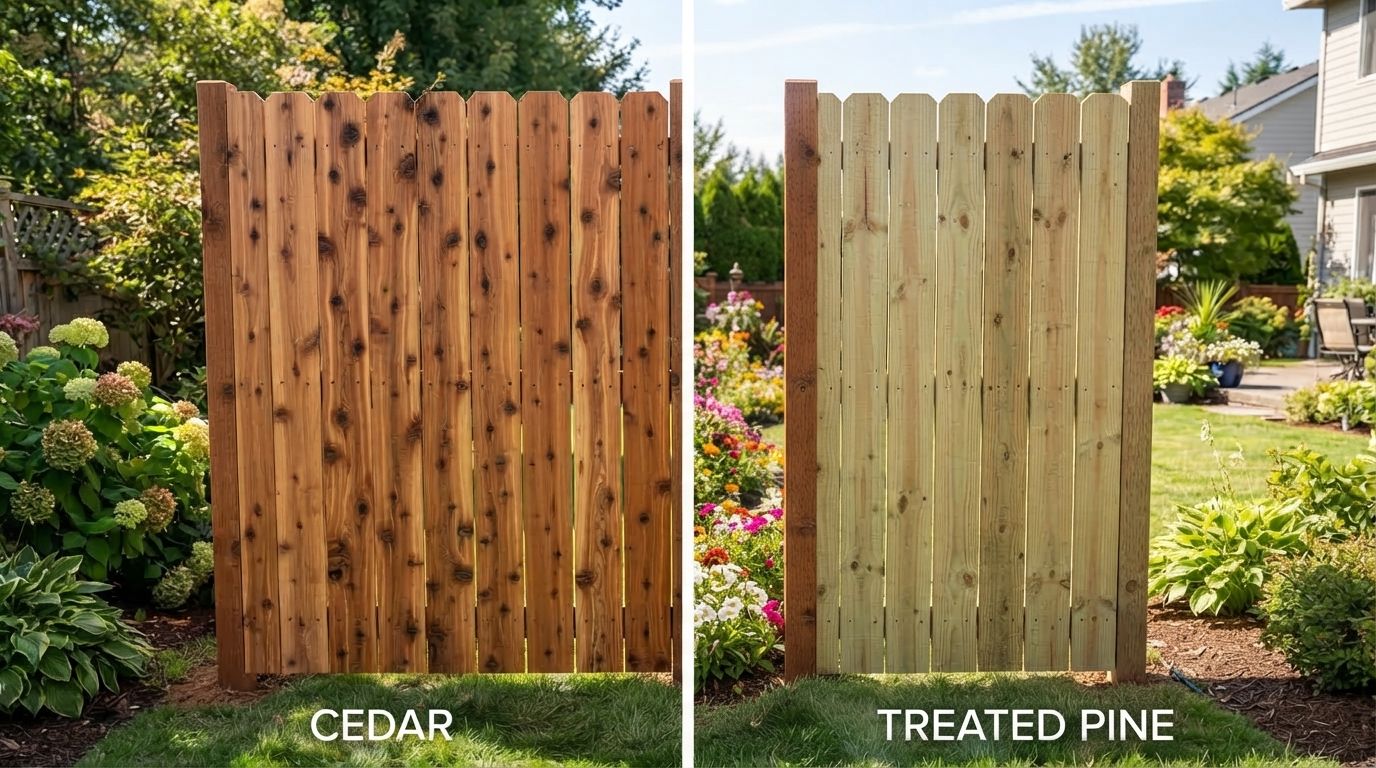
Wood fencing: Wood offers a natural look that can blend well with mature trees, landscaped yards, and traditional home designs. Different stain colors and fence styles can create anything from a classic appearance to a more contemporary finish.
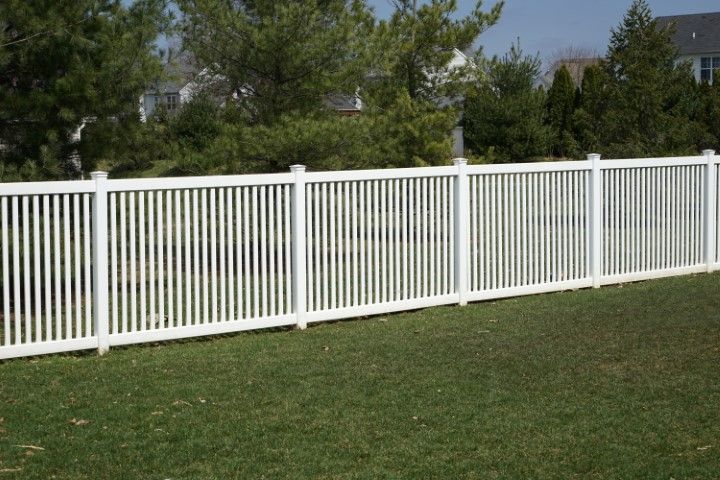
Vinyl fencing: Vinyl provides a consistent appearance and generally requires less routine maintenance than wood. Its clean lines can work well with carefully maintained gardens and simple landscaping designs.
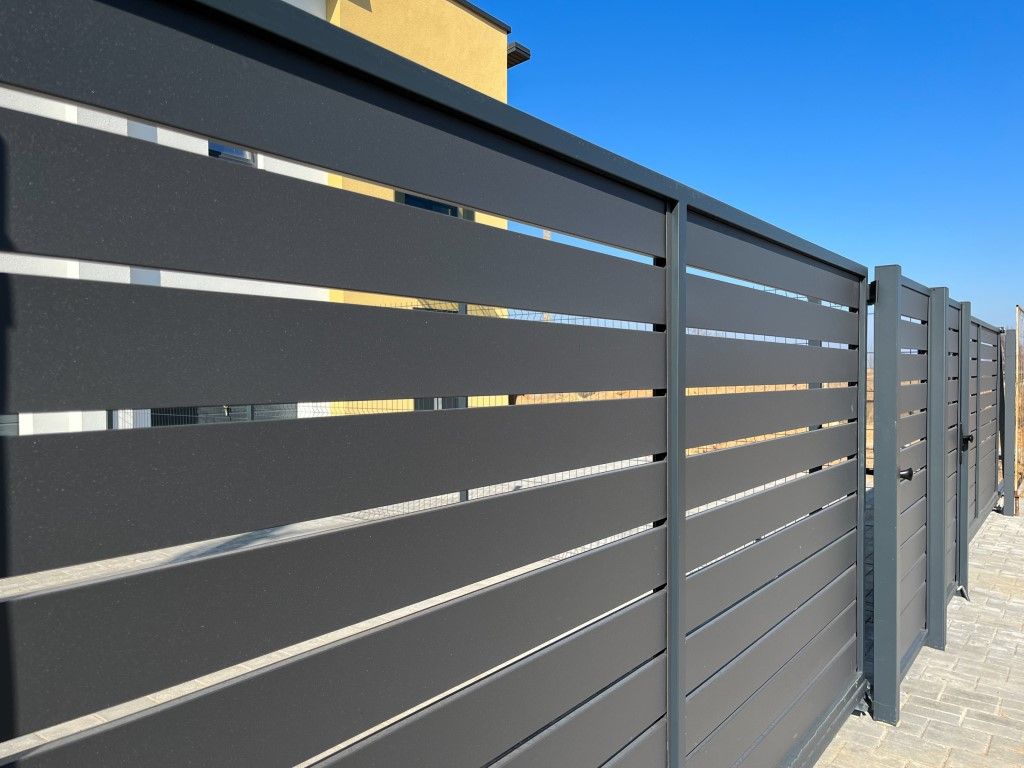
Metal fencing: Ornamental metal fencing can define a property's boundaries without completely hiding the landscape. It may be a good option when you want to preserve views of flower beds, trees, or decorative outdoor features.
The best choice depends on your preferred style, budget, and the applicable local fence requirements.
3. Protect Trees and Their Root Systems
Trees can be some of the most valuable features of a landscaped property, especially when they provide shade and visual interest. However, their roots may extend well beyond the visible trunk and can interfere with fence post installation.
Before digging, identify the locations of significant trees and discuss any potential conflicts with your fencing contractor. Adjusting the fence layout may help avoid major roots and reduce unnecessary damage to the surrounding landscape.
Do not assume that cutting through roots is harmless. Large roots can affect tree stability and health. If the planned fence runs close to a mature or valuable tree, consider consulting a qualified tree-care professional before construction.
You should also arrange for underground utility locations to be marked before any post holes are dug.
4. Plan Around Flower Beds and Shrubs
Flower beds and shrubs can soften the appearance of a fence, but their placement matters. Plants that grow too close to fence panels may make maintenance difficult or trap moisture and debris against certain materials.
Allow enough space for plants to mature without becoming crowded against the fence. Consider their expected height and spread, sunlight requirements, and the amount of room needed for pruning and cleaning.
If you are adding new landscaping, choose plants that suit the amount of sunlight the fence will allow. A tall fence may create more shade in some areas, changing which plants will thrive.
Thoughtful spacing helps protect both the fence and your landscaping while keeping the yard easier to maintain.
5. Use Fence Lines to Define Outdoor Spaces
A fence can help organize a yard into areas for relaxing, gardening, recreation, or entertaining. Instead of treating it only as a boundary, think about how its placement can improve the flow of your outdoor space.
For example, a fence may separate a patio from a utility area or create a defined space around a garden. An open-style fence may preserve views across the yard, while a privacy design may be more appropriate for a secluded seating area where permitted.
Keep pathways, gates, and access points in mind. You should be able to move comfortably between the house, garden, driveway, and other outdoor areas without creating awkward routes.
6. Consider Wisconsin's Seasonal Weather
Whitefish Bay experiences seasonal weather changes that can affect fencing materials and landscaping. Rain, snow, freezing temperatures, and moisture can influence the long-term condition of fence posts, panels, and surrounding soil.
Choose materials suited to outdoor exposure and follow the manufacturer's installation and maintenance recommendations. Wood may need periodic staining or sealing, while vinyl and metal fencing generally have different care requirements.
Pay attention to drainage around the fence line as well. Water that repeatedly collects near posts can contribute to deterioration or stability problems, depending on the installation and ground conditions.
Keep plants trimmed where necessary and inspect the fence periodically for loose components, damaged sections, or areas where soil has shifted.
7. Check Whitefish Bay's Fence Regulations Before Building
Before finalizing your design, review the Village of Whitefish Bay's current fence requirements. The Village requires a permit for new or replacement fencing, and regulations address fence height, placement, construction, and other details.
For example, the permitted height can vary by yard location, and fences near street intersections are subject to additional restrictions. These details may affect how you plan a fence around front-yard landscaping, side gardens, or a rear yard on a corner lot.
Consult the Village's Building Services Department before purchasing materials or scheduling installation. Confirming the rules for your specific property can help prevent costly design changes later.
Create a Cohesive Look for Your Property
A successful fence installation should complement the landscaping rather than work against it. By planning around trees, protecting planting areas, choosing compatible materials, and considering how people move through the yard, you can create a more attractive and functional outdoor space.
Take time to assess your property's layout and determine which landscape features you want to preserve. With the right planning, your fence can provide practical benefits while helping your garden and home's exterior feel connected.
Whitefish Bay Fence can help you explore options for fence installation, replacement, repairs, privacy, and property boundaries. Reach out to discuss your landscaping plans and request an estimate for a fence that suits your property and preferred style.